

How is the traditional build-versus-buy approach to electronic FX technology evolving, and what factors are encouraging banks, brokers and other financial institutions to consider Platform-as-a-Service models?
There is and always will be that dilemma for institutions over the “Build vs Buy” argument and there are several factors at play here including, costs, infrastructure, IP etc. Each one has its own benefits and finding the right technology partner can bring several advantages. But finding that right partner is where the real challenge lies. The build model has significant upfront and ongoing costs but offers the institution greater control and ownership. Whereas the Buy has massive benefits of reducing the time to market, the software is proven and the costs are a relative known known. FinQor is a hybrid of both, providing an off the shelf product allowing institutions to centralise all FX traffic and workflows between their entire ecosystem including all line of business external client treasury systems.
Costs need to be judged over the entire lifecycle and not just at the initial build as the platform will continuously evolve. The PaaS approach offers significant tangible benefits for banks including shifting the cost of ownership away from an in-house team to us as a solution provider for maintenance, feature upgrades, support etc. They can lower costs through scalability, automation and other efficiencies. And they allow clients to connect to the Bank’s internal systems and 3rd party tools.
How should we distinguish between SaaS, PaaS and traditional managed technology services in e-FX, and what additional flexibility and control can a genuine PaaS model offer institutions?
Making the choice between SaaS, PaaS and traditional managed technology services in eFX comes down to balancing convenience vs control. The fundamental difference between all 3 is with IP ownership, configuration management, and hosting. With the SaaS model, the vendor provides everything but also owns everything and is a fully finished vendor hosted, configured and supported system. The PaaS model is slightly different in that it would provide a modular based system but the ownership for support and infrastructure can be shared and allows the bank to build some core proprietary logic on top.
Traditional Managed Services are legacy core banking systems where the bank will licence the software, but any custom changes will potentially require long vendor release cycles. And hosting will be managed by a vendor team using dedicated physical or virtual servers.
A genuine PaaS model bridges the gap between the speed of SaaS and the complete ownership of building an in-house platform from scratch providing distinct competitive advantages including IP ownership and control. The key difference between all 3 models is where the line sits in between what the provider and the client owns. Where SaaS provides a product, managed services provide the operation, and PaaS gives the foundation to build capability on.
The PaaS model can give you control over logic such as pricing and hedging rather than accepting a vendor’s defaults. FinQor’s modular based system allows the client to select components best suited to their requirements including PFE Credit, Dynamic Pricing and Order Book Management. Other advantages of the PaaS model would be faster iterations for developing new features, the capacity to scale, and sharing the infrastructure burden.
To what extent can PaaS enable financial institutions to modernise their FX infrastructure incrementally, rather than undertaking expensive and disruptive replacement programmes involving legacy technology?
A lot will depend on how tightly your legacy systems are coupled and how disciplined and complex the transition is. PaaS suits incremental change which helps to reduce disruption and minimise the risks associated with new system integrations. FinQor gives you the flexibility to run both systems in parallel which allows you to derisk and migrate old to new iteratively as opposed to a big bang ‘all at once’ approach. You can replace modular components one at a time rather than the entire stack, e.g. pricing, aggregation, credit risk. Once all is migrated the old platform can be run in parallel until the business is confident the migration is complete and the system is proven. This is a unique feature of FinQor which has helped clients migrate to new systems without any disruption to clients or the business. The flexibility of integrating to any API has given banks the confidence to proceed with complex migrations such as changing e-FX platforms and has also allowed them to consolidate their system architecture through us and subsequently expose their clients to other business lines resulting in increased profitability.
PaaS doesn’t remove the underlying complexity of legacy integration and data migration, but it lets you manage the complexity in stages which helps turn the legacy migration from high-risk into a sequence of smaller steps helping to deliver value earlier.
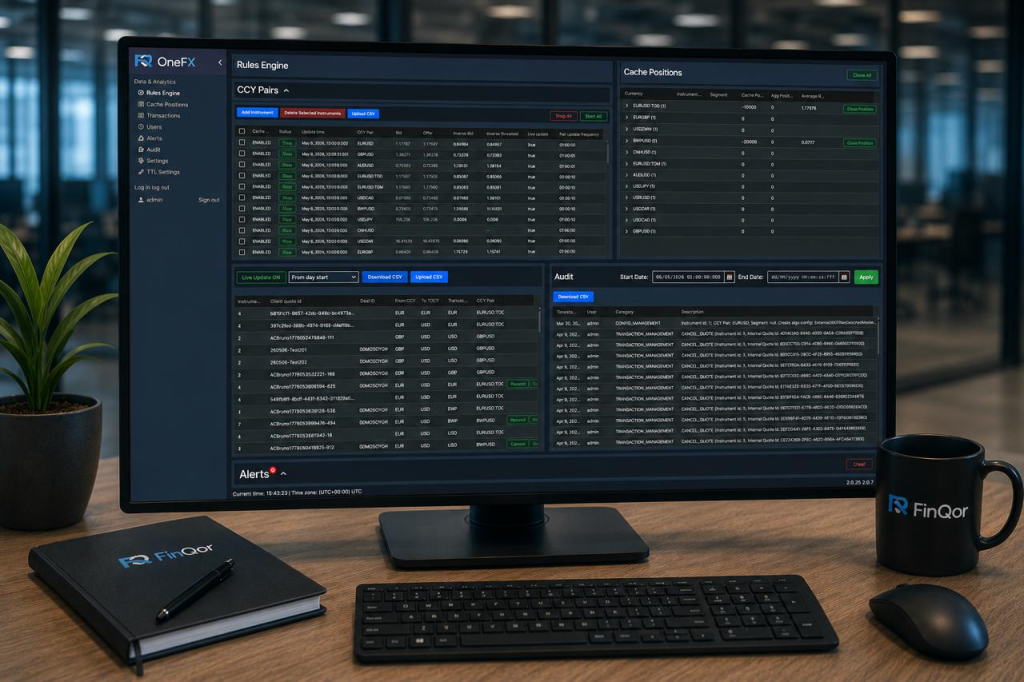
How important are modular architecture, open APIs and interoperability in enabling PaaS solutions to integrate pricing, liquidity access, execution, risk management and post-trade workflows across an institution’s existing technology estate?
They are all critically important for enabling PaaS solutions to effectively integrate complex systems and functions like pricing and execution, liquidity access, risk management and post trade workflows with the bank’s existing technology architecture.
Modular architecture provides the flexibility to break down complex functions into independent interchangeable components allowing institutions to adopt or upgrade specific capabilities without overhauling the entire system. It allows them to scale based on demand and growth, and tailor functionality to specific workflows or regulatory requirements.
Open APIs offer multiple benefits including seamless integration between PaaS components and existing systems enabling smooth data and process flow, real-time connectivity, and ecosystem expansion. Interoperability in enabling PaaS systems to integrate is incredibly important. Data consistency ensures data exchanged across diverse systems adheres to common standards and formats which reduces errors. It also allows for automated and streamlined processes across the system architecture. And it helps to prevent vendor lock-in by allowing multiple vendor solutions to work together effectively within the PaaS framework.
Collectively, Modular architecture, Open APIs and Interoperability allow institutions to integrate critical functions and systems efficiently. Without them integrations would be fragmented, inefficient and prone to delays. They enable institutions to leverage existing legacy systems while adopting innovative PaaS solutions to reduce complexity and increase agility and facilitate regulatory compliance through transparent and auditable workflows.
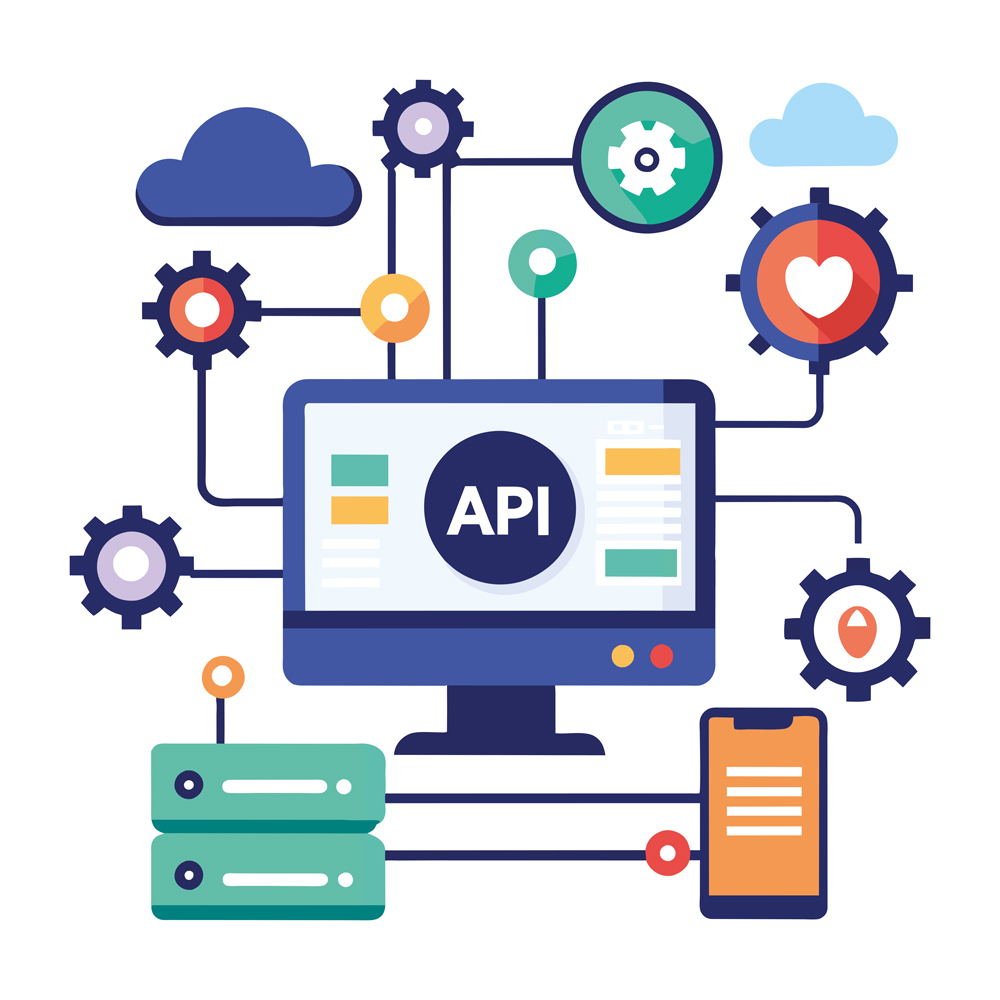
One of the attractions of PaaS is the ability to combine shared technology infrastructure with institution-specific functionality. How much scope is there for customisation, and how can firms preserve their competitive differentiation rather than becoming dependent on standardised vendor solutions?
The scope for customization in PaaS solutions is significant, allowing firms to combine shared technology infrastructure with institution-specific functionality while preserving their competitive differentiation. While PaaS offers standardization and scalability, the architecture, APIs, and configurability provide ample scope for firms to embed their unique capabilities, preserving competitive differentiation and avoiding dependence on generic vendor solutions. The key is to strategically balance shared infrastructure advantages with focused innovation and control over core differentiators.
Customization works in multiple contexts allowing firms to maintain a unique edge. This includes Modular Components where PaaS platforms offer modular architectures allowing firms to customize specific modules related to their business processes.
When it comes to preserving competitive differentiation there are various distinguishing aspects, including building on common infrastructure like security, compliance etc, but then focusing investment on proprietary models, customer strategies for example, ensuring data ownership, proprietary models and IP remain under the institution’s control.
How does adopting a PaaS model change the economics of running an electronic FX business, particularly in terms of development costs, speed to market, operational expenditure and the ability to scale without continually increasing technology resources?
Adopting a PaaS model significantly transforms the economics of running an eFX business in several key areas including a reduction in upfront investment costs, reusable components, a focus on differentiation where firms can allocate resources on features and innovations rather than building infrastructure from scratch. The combination of significant cost savings, faster innovation and release cycles, improved capital efficiency and enhanced and flexible scalability enables institutions to be more competitive, agile and efficient in a fast-moving marketplace.
FinQor’s platform has added substantial value to our clients as we have integrated their Line of Business systems to the bank’s global markets, payment engines etc allowing all FX pricing and execution to be centralised. This has encouraged other internal businesses within the bank to integrate into FinQor.
There is the added benefit of speed to market which is achieved through methods including rapid deployment with the ready-made frameworks and tools PaaS platforms provide. Modular and API-driven architectures enable agility and flexibility for quick iteration and integration with 3rd party services, reducing the software delivery timelines and speeding up time to market. And PaaS offers the ability to scale without increasing technology resources.
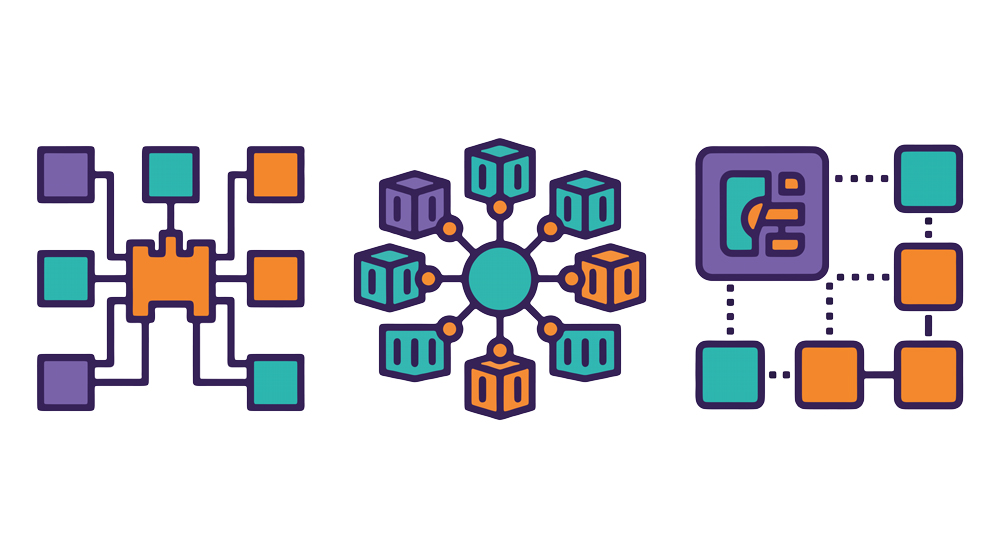
As more critical trading functions move onto externally provided platforms, what are the implications for operational resilience, data ownership, cybersecurity, regulatory compliance and the division of responsibility between financial institutions and their technology providers?
Moving critical trading functions externally requires a partnership mindset where financial institutions and technology providers share responsibility but with the institution retaining ultimate accountability. FinQor embraces this mindset, and our approach is to build the business together with our clients. We do not see them as a number and want to see them succeed.
We, therefore, make every effort to bridge the gap between a client and partner-based relationship. As these critical functions increasingly move onto externally provided platforms, several important implications arise across operational resilience, data ownership, cybersecurity, regulatory compliance, and responsibility division, including Operational Resilience, Data Ownership, Cybersecurity, Regulatory and Compliance, and Division of Responsibility.
Operational Resilience covers areas including increased complexity where reliance on third-party platforms adds layers of dependency. Data Ownership covers areas such as ensuring clearly defined ownership, usage rights and other obligations are all clearly agreed in the contractual terms. Cybersecurity includes ensuring eternal platforms introduce new protections for cyber threats. Regulatory compliance covers areas including due diligence where robust vendor management, ongoing oversight and compliance checks on providers are mandatory.
And finally, Division of responsibility covers areas like clear service level agreements including clearly defined emergency protocols to effectively manage system outages or breaches.
What opportunities do PaaS models create for smaller and regional financial institutions, particularly in emerging markets, to access institutional-grade pricing, liquidity, risk management and automation capabilities that might otherwise be prohibitively expensive to develop?
PaaS models create significant opportunities for smaller and regional financial institutions, especially in emerging markets, by providing access to advanced institutional-grade capabilities that were traditionally costly and complex to develop in-house. For smaller and regional financial institutions in emerging markets, they provide a cost-effective, scalable, and competitive gateway to advanced trading and risk management capabilities.
Access to institutional-Grade tech allows smaller firms to leverage PaaS platforms to gain access to sophisticated e-FX technologies that were once exclusive to large institutions. This levels the playing field, allowing smaller players to compete. Cost-effective innovation allows PaaS to eliminate large upfront capital investment in infrastructure, software development and maintenance. Smaller institutions benefit from the shared expertise and best practices embedded in the PaaS without needing to build specialized teams.

Looking ahead, do you expect PaaS to become the dominant model for delivering electronic FX technology, and how might these platforms evolve to support an increasingly interconnected trading environment spanning FX, digital assets, payments and settlement?
PaaS is poised to become the foundational technology model for eFX, driven by its scalability, cost-effectiveness, and integration capabilities. Future platforms will evolve to be multi-asset, highly interoperable, and deeply automated, supporting seamless trading and settlement across traditional FX, digital assets, and payment systems enabling a truly interconnected global financial ecosystem. These platforms might evolve in an increasingly interconnected trading environment for several reasons as I have highlighted in earlier questions. First, PaaS enables scalability and adaptability; Second, the shift from CAPEX to OPEX aligns better with modern business models; Third, PaaS platforms accelerate innovation allowing seamless integration of new services; Fourth, PaaS providers can embed regulatory compliance and other mechanism like cybersecurity. And fifth, access to advanced capabilities such as analytics, real-time risk management and smart order routing help institutions to meet rising regulatory demands with less operational burden.Integration with real-time payments will shorten settlement cycles, reduce counterparty risk and enable instant cross-border transactions. Institutions will increasingly demand the ability to customize and extend platform capabilities to maintain competitive advantages resulting in PaaS platforms offering more developer friendly tools and API ecosystems. Finally, AI driven decision making combined with enhanced automation will be integrated throughout platforms to enhance efficiencies.