


Over the years, the white label model has improved drastically and the calibre of firms seeking a white label solution is undoubtedly higher than ever before.
One of the primary reasons for the increase in client quality is that regulatory pressures around the globe are pushing out less serious firms. In addition, the rise in costs of a white label solution has deterred those who were not fully committed to starting up or growing a trading organisation in this way.
From what we are seeing at IS Risk Analytics (ISRA), where we have a global client base of high quality white label clients, firms are increasingly coming to us with a strong business plan and a clear understanding of what they want. They would rather that ISRA manages their platform and back end operations, freeing up their time to focus on client relationships and growing their client base.
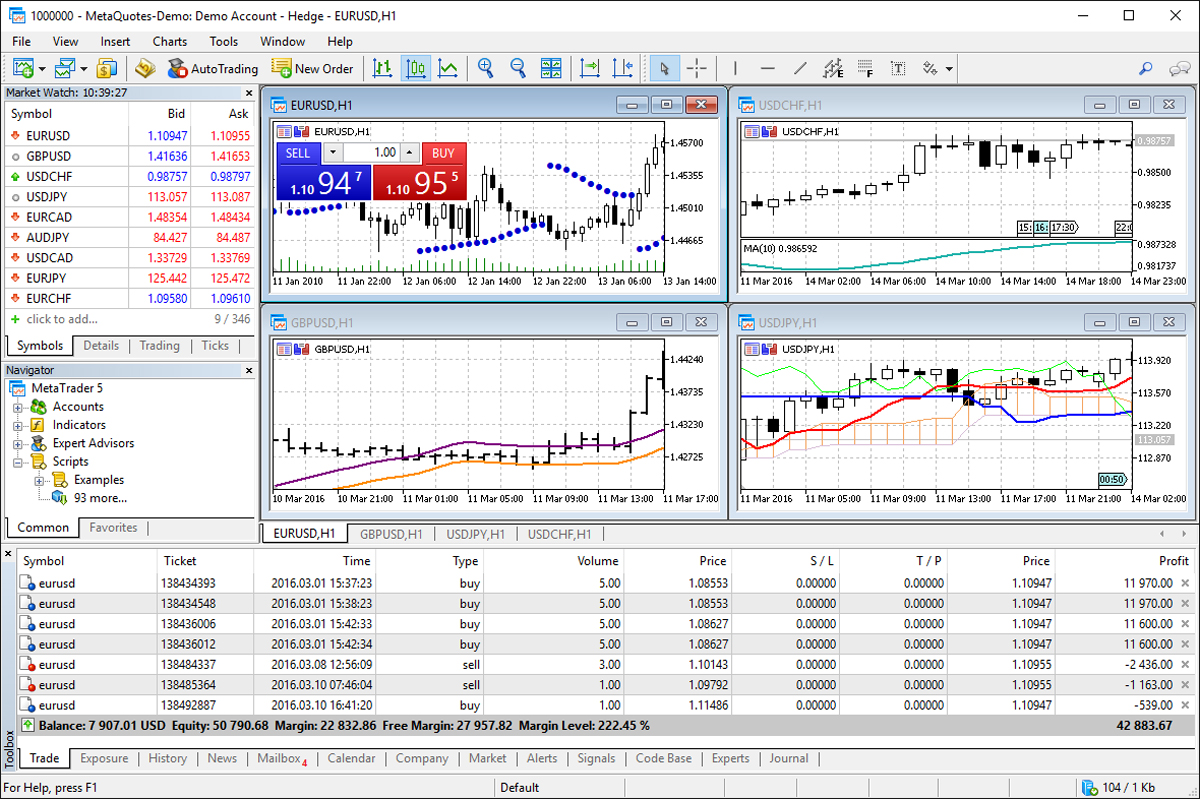
When it comes to white labels, there has been another big change, particularly over the last year. MT5 has become increasingly popular and is really making waves in our industry. Most established brokers now have an MT5 offering and significant business is being transacted on the MT5 platform.
There are a number of advantages to MT5, and after a slow route to adoption, it is rapidly becoming the white label platform of choice. Two key reasons for this are:
- Platform Design: MT5 is a far more robust platform than MT4. It allows for more flexibility in product offerings and works better with third party applications. Although back-end connectivity with other applications is not easily visible to end clients, the breadth of the product offering definitely is, and is a draw to many traders.
- EA Development: One of the key drivers of volume on MT4 has historically been Expert Advisors, which are written in MQL4. MQL4 is not compatible with MT5, so the Expert Advisor flow has been “sticky” and remained primarily in MT4. Programmers have begun to focus more on developing the MQL5 language specifically for MT5, and therefore EA volume and overall volumes have increased dramatically in MT5.
How to select a White Label provider
When white labelling any platform, including MT5, it is incredibly important for a broker to understand the quality of the white label provider. The biggest factor a broker needs to consider when selecting a white label provider is the level of support included with the white label offering. A white label client needs access to 24/7 support and to be able to speak to a team member to discuss and resolve issues as and when they arise.
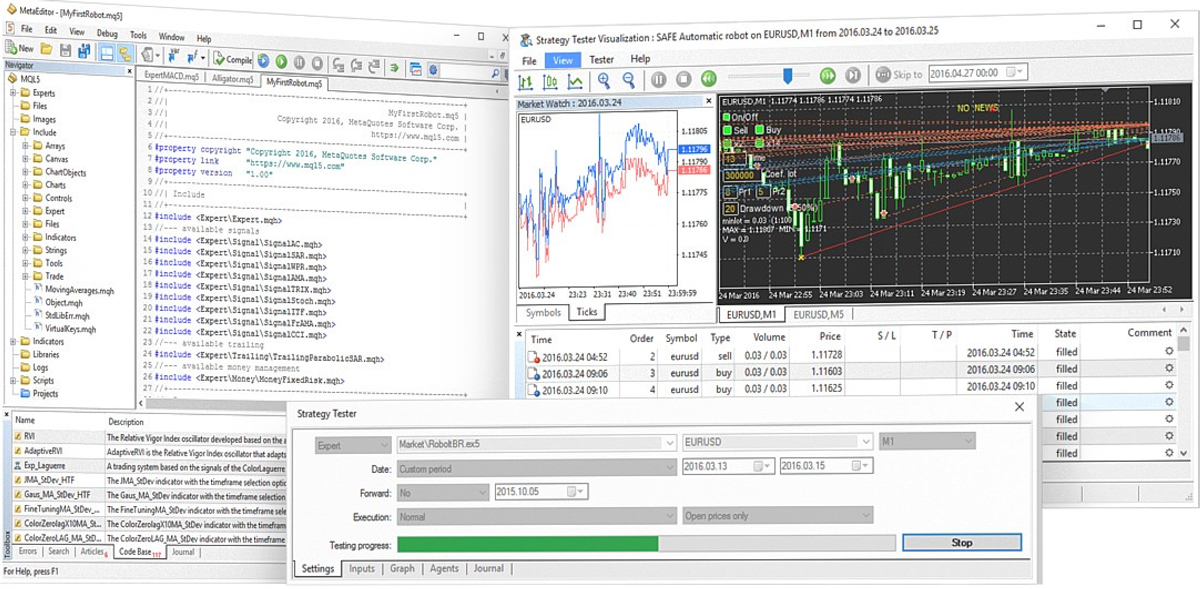
Source: MetaQuotes software
When it comes to selecting a platform, brokers need to understand the customisability of the asset offering to ensure that it is suitable for their current and future needs.
In addition, it is important for brokers to gain an understanding of the following five areas:
- Disaster recovery procedures
- DDOS mitigation
- Location of the server and access servers
- Availability of cross connects
- Hardware specifications of the trading server
MT5 – An enhanced trading experience
Having a robust and secure white label provider is a competitive advantage and frankly is absolutely necessary. Clients are becoming increasingly sophisticated when it comes to both trading and choosing who they will trade with. While both MT4 and MT5 brokers have always endeavoured to provide the highest level of support possible to their clients, MT5 simply offers more tools to a broker seeking to maximise their clients’ trading experience.
Additional support is always required for traders on MT5 solely because it is a more complex platform than MT4. Traders accustomed to MT4’s streamlined simplicity can at times be intimidated by MT5. It is the broker’s responsibility to educate the client on the functionality of MT5 and perhaps, more importantly, make sure the trader understands how the new functionality increases their chances of being a successful trader.

level of support included with the white label offering
MT5 has a leg up on MT4 because it gives brokers more tools to fortify relationships with clients than are available in MT4. These include product diversity, depth of market visibility, additional pending order types and additional chart timeframes, to name but a few. A white label broker never knows what factors will be most important to a potential client, but MT5’s architecture makes it far more likely that the broker will be able to offer the trading experience a client is looking for and therefore the odds of onboarding a client are significantly increased.
While the core offerings for most brokers are similar between MT4 and MT5, MT5 allows brokers to offer a far more extensive basket of products. MT5 was designed from the outset to be a multi-asset trading platform and handles non-forex instruments much better than MT4. This is where there will be a divergence. Brokers on MT5 will be able to offer a portfolio of products that would simply not be possible in MT4.

