oneZero has a long track record delivering innovative technology solutions in the FX space. We are now hearing a lot about the company’s focus on the institutional sell side, so please tell us about this.
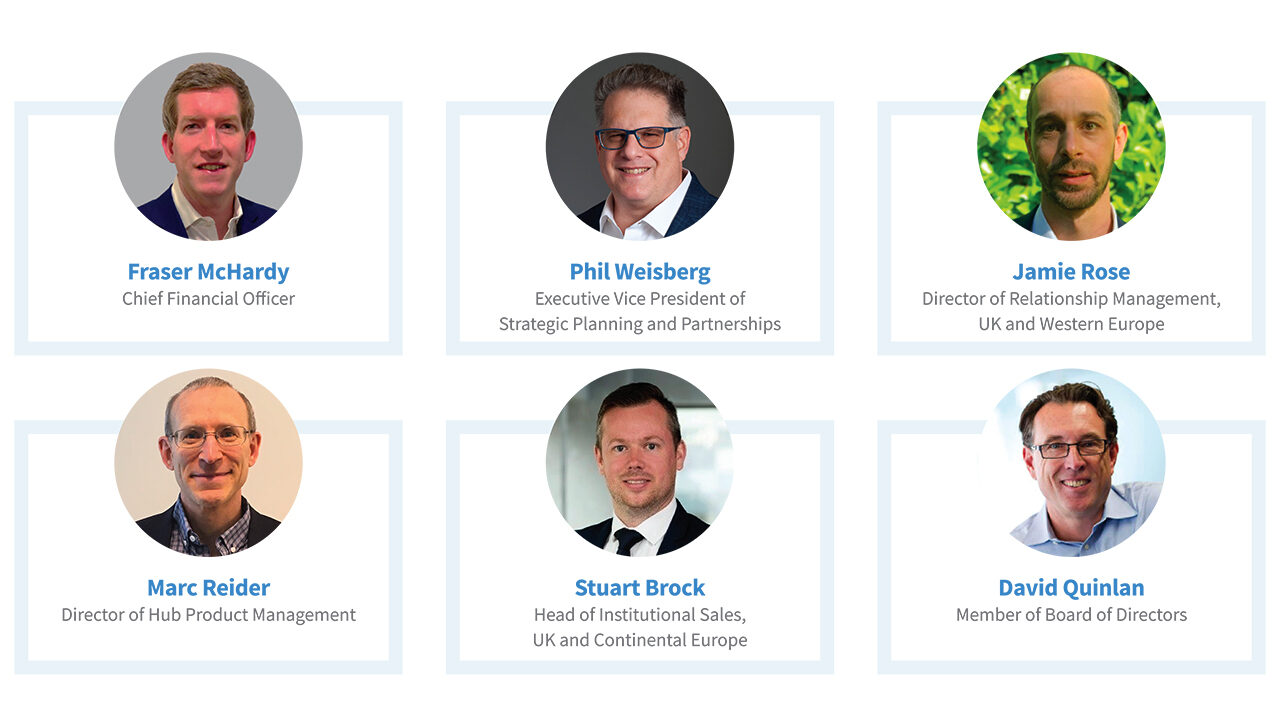
Andrew: I’m proud of the strides we’ve been making in the institutional space. oneZero has always been focused on delivering new and exciting technology solutions. Over the past few years we have had some experienced professionals join the organization with a serious track record in the institutional market, including Phil Weisberg as Executive Vice President of Strategic Planning and Partnerships, Fraser McHardy as Chief Financial Officer, Jamie Rose as Director of Relationship Management UK and Western Europe, Stuart Brock as Head of Institutional Sales UK and Continental Europe, Marc Reider as Director of Hub Product Management, as well as adding significant institutional expertise to our board members, including David Quinlan, previously an Executive Managing Director at Eze Software. Adding this market experience has expanded our ability to understand the challenges that exist in the institutional market and how our solutions can solve them.
Our mission – which we see as in addition to the work we’ve been doing for years – is evolving our fundamental technology platform in ways that are relevant for the institutional market, including trading with high throughput, a strong focus on risk management and a greater understanding of the complex workflows present for institutional audiences.
What aspects of oneZero’s legacy business have driven institutional adoption?
Andrew: We’ve spent the last decade developing a comprehensive solution that’s trusted and used by the world’s leading brokers and some of the largest growth stories in regional markets. We continue to refine and adapt, bringing advanced technology that allows clients to source and customize their management of order flow. In doing so, we have recognized opportunities in expanding our workflow from a primarily API driven technology to one that solves problems specific to participants throughout the FX vertical.
Phil: My primary role has been working with the team to develop a specific version of oneZero’s Hub product designed for institutional audiences – the Institutional Hub – facilitating trading services to institutional brokers, prime of prime providers and banks.
As Andrew noted, a big part of this has been looking at the human workflows that are at the heart of an Institutional operation.
What attracts clients to oneZero’s Institutional Hub? What makes it different?
Phil: Unlike a marketplace or venue, oneZero is a market-neutral technology provider that puts you in full control of how your risk and orders are managed. We offer award-winning modular trading technology solutions for price formation, distribution, risk management and quantitative trading analytics.
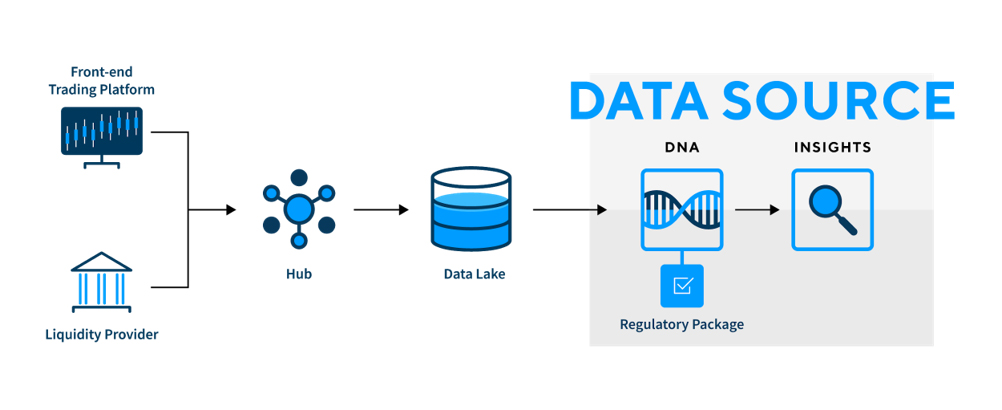
We believe a fully customized approach to liquidity is paramount. oneZero allows clients to source, transform, blend and price liquidity, distribute customized liquidity streams according to individual client segmentation and execution. The result is more control for brokers, who can then understand and react to the needs of their individual customers. Our solution combines the Institutional Hub with the EcoSystem for market access and Data Source for business intelligence.

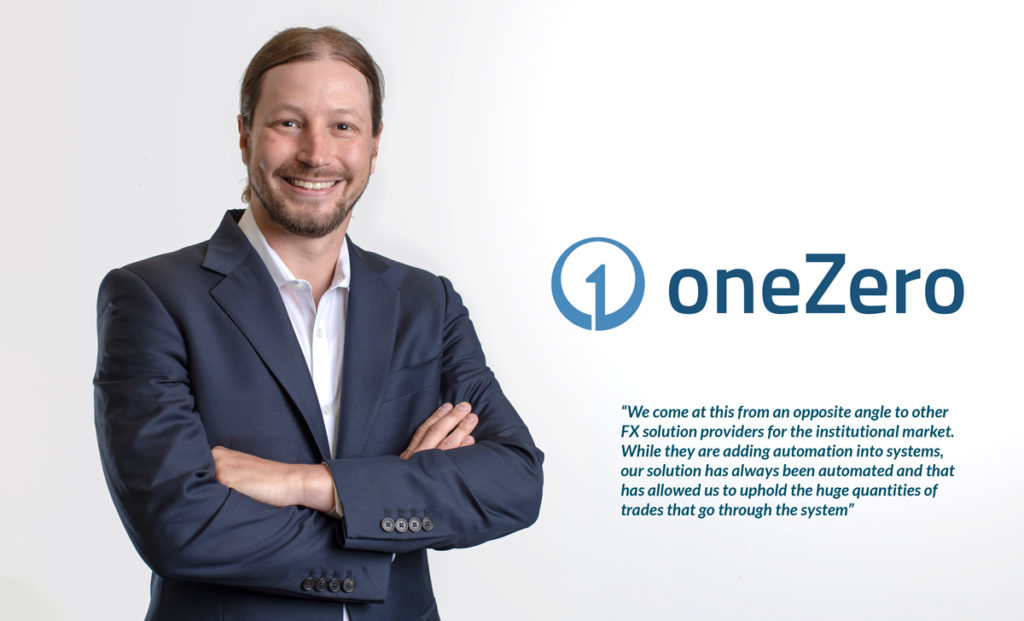
Andrew: We come at this from an opposite angle to other FX solution providers for the institutional market. While they are adding automation into systems, our solution has always been automated and that has allowed us to uphold the huge quantities of trades that go through the system. Now we’re taking that scale and overlaying higher-order capabilities in terms of FX derivative support, manual trading workflows and data-driven analytics. The end result has been a product that is proving to be very attractive in the institutional space, especially with sell side market participants who are struggling to scale on their legacy solution.
Beyond the technology itself, oneZero has always been known for its rich support function, which includes operational, follow-the-sun 24/5.5 coverage that really sets us apart from others and enables us to be true partners with the business, facilitating tens of millions of trades and billions of quote messages every day. We’re taking that same approach to how we’re building out and servicing the institutional market as well.
What within oneZero is helping drive the pace of institutional adoption?
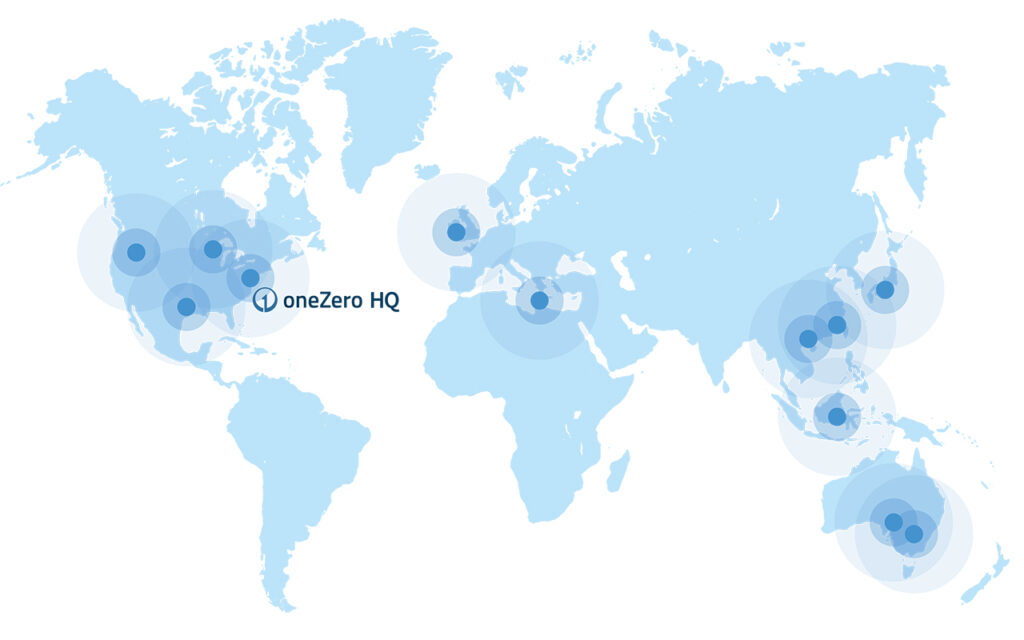
Andrew: It’s all about the team. We’re now more than 130 professionals based in offices across four continents. For the first time in our history, a large proportion of the team comes directly from roles within the markets we are serving.
Phil: Another driving force in adoption and attractiveness of oneZero in the institutional market has proven to be the pace of the market itself. As primary venues are increasing their tick rates, and mechanisms like the Code of Conduct are putting further scrutiny on last look and hold times, the pressure is on technology providers to perform against an ever increasing rate of quotes and trades. oneZero has already risen to that challenge and that is proving to be a great opportunity for us to continue to expand our functionality.
Our roots in high order volume markets allow us to help our clients adapt to these increasingly fast moving market structures. We are known for our performance, reliability and technology innovation, all of which is critical as our clients see more pressure on their systems.
What are the differences in liquidity challenges across audiences served by oneZero?
Andrew: The more sophisticated the market participant, the more they are aware of the nuanced assumptions around how certain types of liquidity can be used. We’ve done a lot of work recently to incorporate concepts such as full amount feeds into our platform to help clients make good decisions not only who they route flow to, but what type of stream they are dealing with.
Phil: Examples of what Andrew talks about include the ability for LPs to provide different streams that better match the characteristics of each type of liquidity consumer that our Institutional Hub clients serve so clients with more difficult flow to risk manage can be priced accordingly. In addition, our clients have the ability to completely decouple their pricing function from their hedging function, which makes LPs more comfortable to provide skew safe feeds which may show their market axes without risking information leakage that could disadvantage the LP.
Building on the concept of optimizing client and stream interactions in a data driven fashion, what sort of analytics do clients find to be the most useful in the institutional space?
Phil: Clients are excited by the ability to employ the insights from metrics back into their trading strategies, which is something that our Data Source product does in an automated fashion. Our system seamlessly blends advanced analytics with changes to system settings, the one feeds the other.
Andrew: Another thing that our institutional clients find particularly useful are our recently launched analytics that help clients calculate the estimated economic impact of trades rejected in a last look protocol. This enables clients to better understand the relationship between the type of flow they send to LPs, quoted spreads and the impact of last look rejections when constructing their pricing and hedging strategies.
How do you measure the traction you’ve gotten in the institutional space – how do you know you are making a difference?
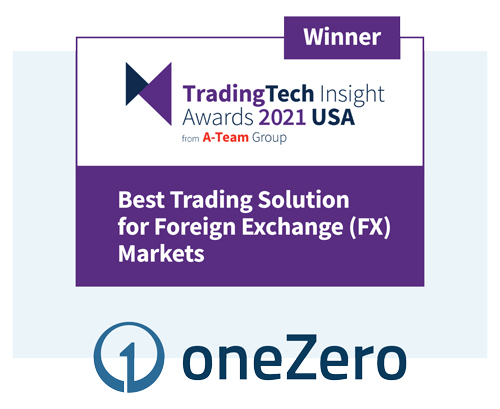
Andrew: We’ve gone – in a relatively short period of time – from an idea to development to meaningful client adoption. We have a captive and growing audience in the institutional space, as well as expanding our existing relationships in this market. In addition, we are delighted to have started winning industry awards in the institutional space, including TradingTech Insight Awards USA 2021 award for Best Trading Solution for Foreign Exchange (FX) Markets selected by our industry peers for our superior offering for institutional brokers and banks.
What’s next for oneZero for institutional customers? Will analytics continue to be an area of focus?
Andrew: oneZero has long been ahead of the curve in what I’ve termed the “democratization of large scale real-time data analytics”. Three or four years ago we built foundational technology in this area, and now we are building on that in our cloud-based Data Source product. We’ve focused on partnerships and developing analytics that help all of our clients.
One major area of focus – which Phil mentioned – is the ability to drive real-time decisions based on the data. We’re working on the functionality to feed pricing, trading, stream and pool construction information into a real-time decision making engine.
Phil: We have also made an investment in implementing an instrument model throughout our product, including in our pricing and risk management capabilities so we can create pricing, risk management and hedging strategies that are unique to the instrument types. We are looking forward to piloting those features for NDFs with our clients this year and will extend those to include other FX derivatives in 2022.
What are the next steps in terms of collaboration between market participants in analytics?
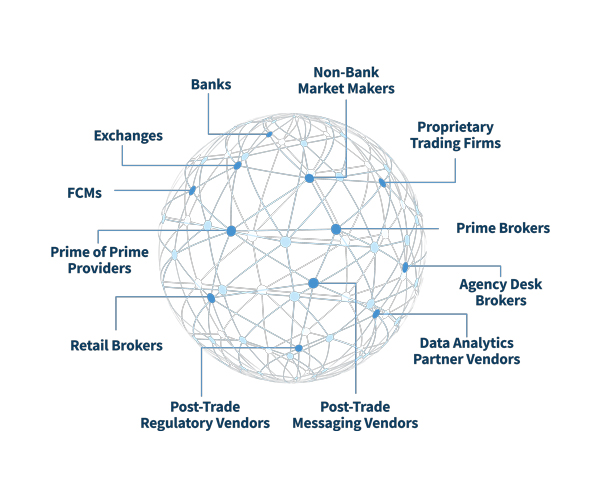
Andrew: It’s all about data stewardship. We are building a network of regulatory vendors, data analytics partner vendors and other third party vendors that are trusted and validated by oneZero. What we provide is the assurance that the quote and trade data is presented in a consistent, accessible format. The framework we have put in place has a permissioning structure that allows clients to turn on access to whomever, from the accepted list, they like.
We act as the neutral data steward for third parties, ensuring the whole EcoSystem maintains industry levels of security and confidentiality around this information. That’s critical as we will continue to add to our list of trusted partners.
Entering institutional markets must have been quite a shift for your team. How has this affected company culture?
Andrew: It has been an exciting time for the team and I am immensely proud of our combined efforts. Throughout this period of rapid growth of the team, which has coincided with the global pandemic, we have worked hard to maintain an inclusive and warm culture. Throughout lockdowns globally, we have held various virtual competitions and social events. Actually, the award that I’m most proud of us winning is the Best Place to Work award.

Phil: Given the company had already mastered integrating contributions from teams across multiple continents, it didn’t skip a beat during the pandemic. To some extent, in fact, the pandemic increased everyone’s ability to collaborate as the concept of a “head office” disappeared which made it important to ensure all geographies had the right tools and processes in place to collaborate in real time. oneZero was fortunate to have extended tools which had been extensively used in development and operations for many years like Slack, SalesForce and Atlassian to foster collaboration across the entire organization. For more information about oneZero’s offerings, please email info@onezero.com.